
Managing Expectations

Managing expectations
Just like armpits – we all have them. But have you every thought about how you can manage the expectations that others have of you?
First, make sure you have a clear idea of your capabilities. What can you bring to the table? What can you deliver?
Don’t assume you know what someone else expects. Set a clearly defined expectation. What are the deadlines? What is the time commitment? How will the outcome be measured?
If you are the one setting the expectations, make sure you educate and empathize. Be clear on what is involved and the time and resources that will be needed. Have a clear view of the business drivers behind the project. Be clear about the importance assigned to the project.expectations graph
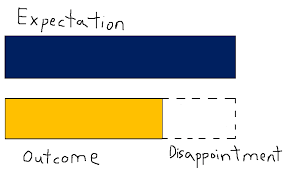
Some practical steps to include in these discussions include:

  1. Be realistic. Set reasonable deadlines. The adage, “under promise and over deliver” is a good path to follow. Don’t let things get to far behind. If you need help, ask for it before it’s to late to overcome the deficit.
  2. Monitor continuously. Throughout the project stop and see how you are doing with the schedule.
  3. Communicate Early and Often. Let your boss, team or employer know what is happening, any problems you are encountering and what you need. No one is a mind reader. Communication is vital.


You May Also Like…

My 4-Second Basketball Career (And the Lesson That Lasted Much Longer)

My 4-Second Basketball Career (And the Lesson That Lasted Much Longer)

March Madness has me thinking about my own basketball career…
I made the team. I tried my best. I played a total of 4 seconds.
And at the end of the season? I got my letter… for academics. Turns out, that was my first real lesson in knowing where I actually shine.
You don’t have to be great at everything You just have to find what you’re great at

Five at 55: No Speed Limit on Growth

Five at 55: No Speed Limit on Growth

Turning 55 isn’t about slowing down—it’s about clarity, confidence, and choosing growth with intention. In this kickoff to the Five at 55 series, I’m sharing the lessons, missteps, and real-world insights that shaped the leader and person I am today.

Rejection Isn’t a Stop Sign — It’s a Detour

Rejection Isn’t a Stop Sign — It’s a Detour

I was eleven years old when I mailed my first piece of writing to be published. It was typed on a typewriter, carefully addressed, and signed with hope. It was also rejected. Years later, my first novel was rejected again and again. Today, I’ve published eight books—proof that rejection doesn’t get to decide the ending unless you let it.